How to Choose the Right Customized Manufacturing Services UAE Provider
Posted by genesis mfg
Filed in Other 3 views
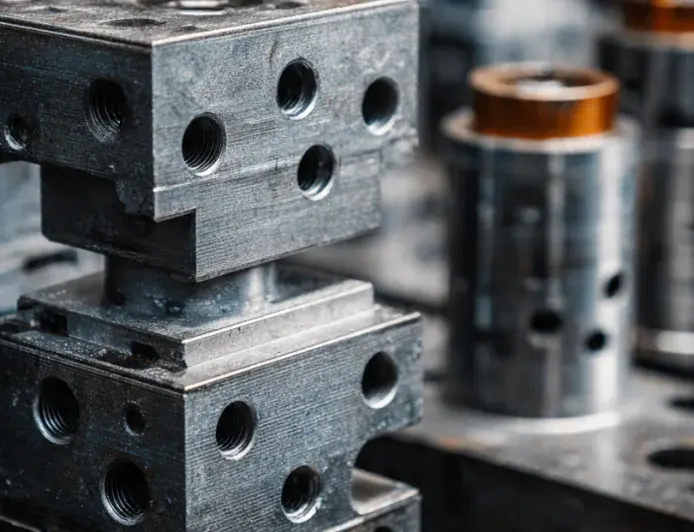
Picking a manufacturing partner is not the same as picking a supplier off a price list. When you search for customized manufacturing services UAE options, you will find dozens of shops claiming precision and reliability, but only a handful can actually back that up with documented processes and real project history. This article breaks down the specific things worth checking before you hand over a design or a worn sample part.
Start With Capability, Not Just Capacity
Many shops will tell you they can "handle anything," which usually means very little in practice. What matters is whether their equipment list matches your actual project. A shop set up mainly for sheet metal fabrication is not the right fit for a job that needs tight-tolerance turned components, and vice versa.
Ask specifically about:
-
The machine types on the floor, such as CNC lathes, milling centers, or EDM equipment
-
Maximum part size and material thickness they can process
-
Whether gasket cutting, custom metal work, and finishing are handled in-house or subcontracted
A shop that keeps most of the process in-house generally offers better quality control and shorter lead times, since fewer handoffs mean fewer chances for miscommunication about tolerances or finish requirements.
It is also worth asking how a shop handles overflow or unusual jobs that fall outside their typical work. A team that scales production for larger orders while still supporting one-off prototypes shows a level of flexibility that smaller or narrowly focused shops usually cannot match. This matters if your business expects project volumes to grow, since switching manufacturing partners midway through a product line is costly and disruptive.
Look at How They Produce Precision CNC Machined Parts
Precision CNC machiners parts are the backbone of most custom manufacturing work, and how a shop talks about this process tells you a lot. A provider worth considering should be able to explain their inspection methods, not just claim tight tolerances. Coordinate measuring machines, calibrated gauges, and documented first-article inspection reports are signs of a shop that treats precision as a process rather than a marketing word.
It also helps to ask for a sample part or a case study involving tight-tolerance components similar to what you need. A shop with genuine experience will have specific examples ready, complete with the tolerances achieved and the material used, rather than vague references to "high precision" work.
Evaluate Their Approach to Communication and Project Management
Custom manufacturing projects rarely go perfectly on the first attempt, and how a shop handles that reality matters more than any brochure claim. Before committing, find out whether you will have a single point of contact throughout the project, how design revisions are communicated, and what their process looks like when a part fails inspection.
A supplier that provides regular updates, shares inspection data proactively, and flags problems early is far easier to work with than one that only communicates when something has already gone wrong. This becomes especially important for customized manufacturing services in UAE clients managing multiple suppliers across a larger project, where delays from one vendor can cascade into missed installation windows for everyone else.
Verify Certifications and Track Record
Certifications will not guarantee a perfect part, but their absence is a meaningful warning sign. ISO 9001 certification indicates a documented quality management system, meaning the shop has processes for tracking non-conformances and corrective actions rather than relying on individual operators to catch mistakes.
Beyond certification, ask for references from clients in your own industry. A shop that has produced customized manufacturing services that UAE clients rely on for oil and gas or marine applications will understand material requirements like corrosion resistance and pressure ratings in a way a purely general-purpose shop may not. Years in business is a reasonable proxy too, since custom manufacturing shops with weak processes tend not to survive long in a market where repeat business depends on consistent quality.
Conclusion
Choosing among customized manufacturing services UAE providers comes down to verifiable evidence rather than sales language: in-house capability, documented inspection practices for precision CNC machined parts, clear communication habits, and a track record with certifications to match. Taking the time to check these points before signing a purchase order saves far more time than it costs, especially on projects where a failed part means real downtime. If you are evaluating manufacturing partners for an upcoming project, it is worth having a direct conversation about their process before comparing quotes.
FAQs
1. What is the biggest mistake companies make when choosing a custom manufacturing provider?
Choosing based on quoted price alone, without checking in-house capability or inspection practices, is the most common mistake. A cheaper quote often reflects subcontracted work or reduced quality checks, which can cost more in rework later.
2. Should I request a sample part before committing to a large order?
Yes, whenever possible. A sample part, even a small one, reveals a great deal about tolerance control and finish quality that a written quote cannot show.
3. How important is ISO 9001 certification for a manufacturing partner?
It is a strong signal of process discipline, though it should be one factor among several rather than the only deciding criterion. Combine it with references and sample work for a complete picture.
4. Can one provider handle both machining and gasket or metal fabrication?
Many established shops do offer both under one roof, which reduces the number of vendors you need to coordinate and generally shortens overall project timelines.
5. How do I know if a shop's precision claims are accurate?
Ask for documented inspection reports, such as first-article inspection data or coordinate measuring machine printouts, rather than accepting a general statement about tolerance capability.