How to Prevent Common Workplace Eye Injuries with the Right Safety Eyewear
Posted by Johnson Trading
Filed in Other 5 views
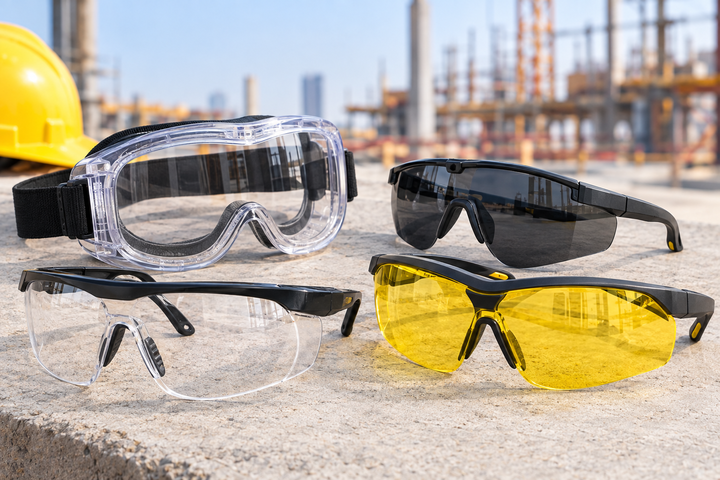
Our eyes are among the most delicate parts of the body, but they are constantly exposed to risks at work. Workers at construction sites, factories, workshops, laboratories, warehouses, and industrial facilities may be exposed to dust, flying particles, chemicals, sparks, and harsh light. Even little incidents might cause major injury without the proper eye protection.
The good news is that most workplace eye injuries may be avoided with basic safety precautions and appropriate protective eyewear. Understanding typical risks and selecting appropriate safety glasses or goggles can make a major impact.
Common Causes of Workplace Eye Injury
Workplace eye injuries can occur in a variety of ways. Some of the most common causes are:
-
Flying particles: Include dust, metal pieces, wood chips, and other microscopic particles that can enter the eyes while cutting, grinding, drilling, or machining.
-
Chemical splashes: When cleaning agents, solvents, acids, or other chemicals come into contact with the eyes, they can cause severe discomfort or injury.
-
Dust and airborne debris: Construction, mining, and manufacturing workers may be exposed to airborne particles on a regular basis.
-
Heat and sparks: Welding, cutting, and other high-temperature activities can result in hazardous radiation.
-
Impact hazards: Tools, equipment, or materials may accidentally strike the face or eyes.
-
Radiation and bright light: Workers may be exposed to UV, infrared, or intense visible light when welding or performing other industrial procedures.
Identifying the threats in a workplace is the first step toward selecting appropriate eye protection.
Choose Eyewear Based on the Hazards
Not all safety eyewear offers the same level of protection. The appropriate product is determined by the job-specific risks.
Safety Glasses
Safety glasses are often used to defend against flying particles and other potential risks. They are excellent for a variety of construction, maintenance, workshop, and industrial applications.
Models with side protection might provide more coverage than conventional protective glasses.
Safety Goggles
Goggles create a tighter seal around the eyes and can give better protection against dust, splashing, and other airborne threats. They can be especially useful in chemical handling, laboratory work, and areas with high dust concentrations.
Face Shields
Face shields protect the face from bigger particles, splashes, and sparks. However, they are typically used in conjunction with suitable safety glasses or goggles, rather than as a replacement for main eye protection.
Welding Protection
Welding generates bright light, ultraviolet radiation, infrared radiation, sparks, and heat. Welders require specially developed eye and face protection that is adequate for the welding procedure and environment.
Ensure That Safety Eyewear Fits Properly
Even high-quality safety glasses may not offer adequate protection if they do not fit properly. Glasses should fit securely without producing too much strain or discomfort.
Goggles should form an acceptable seal, with no gaps that could allow dust or splashes to enter. Workers should also keep their eyewear securely positioned while moving or doing duties.
Comfort is vital because workers are more inclined to wear safety equipment when it fits properly and feels comfortable.
Keep Safety Eyewear Clean
Dirty or scratched lenses can impair visibility and make it difficult to complete jobs safely. Workers should clean their protective eyewear on a regular basis, using the procedures indicated by the manufacturer.
Avoid using materials or cleaning chemicals that may damage lens coatings. When not in use, eyewear should be kept clean and dry.
If lenses become severely scratched, cracked, or damaged, they should be changed rather than left in service.
Consider Anti-Fog and Specialized Features
Work surroundings may be hot, humid, or physically demanding. Fogging can limit visibility and induce employees to remove their eyewear, posing an extra safety risk.
Anti-fog lens coatings or ventilation features can help increase visibility in suitable settings. Other important features include UV protection, scratch-resistant coatings, adjustable frames, and compatibility with other personal protective equipment.
The appropriate characteristics should always be selected based on the workplace environment and danger assessment.
Combine Eyewear with Safe Workplace Practices
Protective eyewear is just one aspect of job safety. Workers should also adhere to established protocols, wear machine guards, handle chemicals correctly, and maintain equipment properly.
Employers should identify potential eye dangers, provide appropriate eye protection, teach employees on its proper usage, and replace damaged equipment as needed.
Workers should also avoid changing or removing their protective eyewear while doing dangerous operations. Consistent use is one of the most straightforward strategies to avoid needless exposure.
Inspect Eye Protection Regularly
Before using safety glasses, workers should inspect them for cracks, scratches, loose components, damaged frames, or other indicators of wear. Damaged equipment may not give the expected level of protection.
Employers might also set up regular inspection and replacement procedures to keep protective eyewear in good condition.
Final Thoughts
Workplace eye injuries can have long-term implications, but many can be avoided with good danger identification, safe working techniques, and adequate eye protection.
Whether the job contains dust, flying particles, chemicals, sparks, or harsh light, choosing the appropriate safety glasses, goggles, or face protection is critical. Proper fit, regular cleaning, routine inspection, and consistent use can all enhance protection.
Employers and employees can create a safer environment while safeguarding one of the body's most important senses by incorporating eye safety into normal workplace processes.