Reliable Production for Ergonomic Cushion Solutions
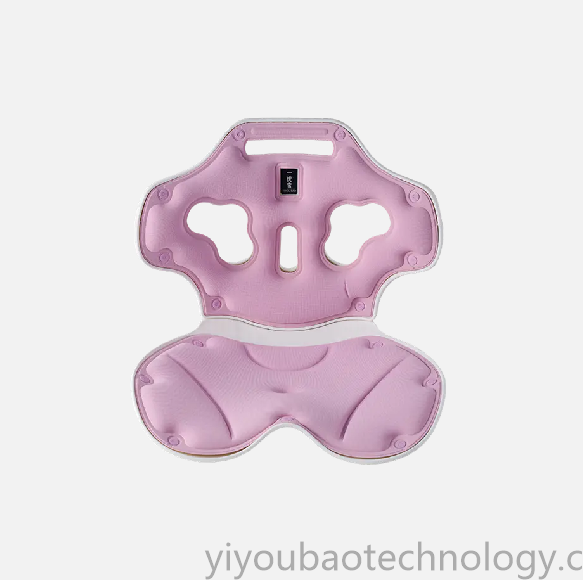
When buyers evaluate a Lumbar Support Cushion Manufacturer, they are assessing much more than the appearance of a finished cushion. Material quality, ergonomic design, production technology, quality control, and customization capabilities all influence whether a product can meet the expectations of different markets. A professional manufacturing approach connects these elements from initial product development through final inspection.
Material selection is a fundamental part of cushion development. Foam, fabric, elastic components, fastening materials, and internal support layers can all affect the final product. Foam typically provides the primary cushioning function, but its resilience and recovery characteristics also influence how the cushion behaves under repeated pressure. A material that is too soft may lose its supportive structure, while an excessively firm material may reduce comfort during longer periods of sitting.
Manufacturers therefore need to match material characteristics with the intended application. Office seating may require a balance between continuous comfort and stable support, while automotive applications may involve more frequent changes in body position. Home seating can place greater emphasis on softness, appearance, and maintenance. Understanding these differences helps suppliers develop products that are appropriate for specific use environments rather than relying on one standardized material combination.
The cover material is another important consideration. A cushion may have a carefully developed internal structure, but an unsuitable outer surface can negatively affect the user experience. Fabrics should provide an appropriate tactile feel while offering sufficient durability for repeated use. Breathable materials may improve airflow, while easy-care covers can be useful in offices, shared environments, and households where regular cleaning is necessary.
The relationship between the cover and internal structure also requires careful manufacturing. Fabric should fit the cushion without excessive looseness or tension, while seams should be positioned accurately. Consistent stitching helps maintain appearance and structural integrity. During production, manufacturers can inspect the cover for uneven seams, material defects, incorrect alignment, and other issues that could affect the final product.
Ergonomic shaping is central to the function of a support cushion. The surface should create a natural contact area with the user's lower back while allowing normal movement. Curved structures can help distribute contact more evenly, while suitable cushioning can provide a balance between softness and support. The objective is not to force the body into a rigid position but to provide a more comfortable interface between the user and the chair.
Manufacturing technology determines how consistently this design can be reproduced. Production may involve material cutting, foam shaping, sewing, bonding, fastening, and assembly. Accurate cutting helps maintain consistent forms, while controlled assembly reduces the risk of shifting internal components. Production processes should be standardized where appropriate so that repeat orders maintain a similar level of quality to the original samples.
Quality control should be applied throughout the production cycle. Incoming materials can be inspected before processing, while semi-finished components can be checked during assembly. Final inspection may focus on cover quality, stitching, shape, fastening, and overall construction. This multi-stage approach can help manufacturers identify problems earlier and reduce inconsistencies in larger production batches.
Safety should also be considered when developing and manufacturing seating support products. Materials should be appropriate for their intended environment, while seams, attachment points, and structural elements should be securely constructed. A finished cushion should not contain avoidable sharp edges or unstable components. Its support characteristics should work together with the chair rather than create unnecessary pressure or restrict ordinary movement.
Customization is particularly relevant for B2B customers. Distributors, importers, and private-label businesses may request different fabrics, colors, shapes, fastening systems, packaging methods, or branding treatments. A flexible manufacturer can adapt selected aspects of a product while maintaining control over its core construction. Clear communication during sampling is essential because changing one component can influence the performance or appearance of another.
Product development can benefit from prototype testing and user feedback. Samples allow manufacturers to examine material behavior, surface comfort, attachment stability, and overall usability before larger production begins. Feedback from different seating environments can then be used to refine the design. This process helps connect technical manufacturing decisions with actual user requirements.
Durability and material efficiency are also increasingly relevant to product development. Resilient materials and reliable construction can help extend product usability, while efficient cutting processes can reduce unnecessary material waste. Durable covers and stable seams may also reduce the frequency of replacement. Packaging can be designed to protect products during international transportation while avoiding unnecessary material use.
For businesses sourcing ergonomic seating products, choosing a Lumbar Support Cushion Manufacturer should involve a complete review of materials, ergonomic design, production processes, quality management, customization, and communication. Yongkang Yiyoubao Technology Co. Ltd. provides seating support solutions for different applications, with product information available at https://www.yiyoubaotechnology.com/product/lumbar-supports-seat-cushions/.