What Makes Dental Activators Useful for Bite Correction?
Posted by Dynamic Sana
Filed in Card Games 2 views
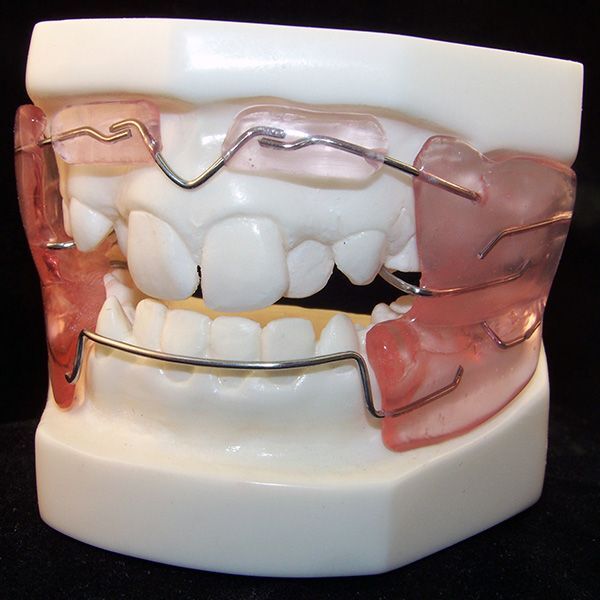
A comfortable, balanced bite plays an important role in everyday oral function, from chewing food to speaking clearly. When the upper and lower jaws do not meet properly, orthodontic care may help guide the teeth and surrounding structures toward better alignment. For people exploring different dental options, understanding how appliances work can make treatment decisions easier. While Dental Activators in Dubai are commonly associated with replacing missing teeth, dental activators serve a different purpose by helping address certain bite and jaw-development concerns. Their removable design and functional approach make them an option worth discussing with a qualified dental professional.
What Are Dental Activators?
Dental activators are removable orthodontic appliances designed to influence the relationship between the upper and lower jaws. Unlike traditional braces, which primarily apply controlled forces to individual teeth, functional appliances can work by encouraging changes in jaw positioning and muscle function.
How Do They Work?
An activator is typically worn according to a dentist or orthodontist's instructions. Its design encourages the jaws to maintain a particular relationship while the appliance is being used. Depending on the patient's needs and stage of development, this may support improvements in certain bite patterns.
Treatment is not identical for everyone. Age, jaw growth, tooth position, bite characteristics, and overall oral health can all influence whether an activator is appropriate.
Why Consider Dental Activators for Bite Correction?
One reason dental activators continue to attract attention is their functional approach. Rather than focusing solely on tooth movement, they may be used as part of treatment plans that consider the relationship between the jaws.
They Can Support Functional Bite Improvement
An uneven bite can affect more than appearance. It may influence chewing patterns, jaw comfort, and how the teeth contact one another. When suitable for the patient's condition, an activator may help guide the bite toward a more functional relationship.
They Are Removable
Removability can be convenient for everyday routines. Patients can generally remove the appliance when instructed for activities such as eating and cleaning. This can make maintaining oral hygiene more straightforward than with some fixed orthodontic appliances.
However, convenience depends heavily on consistent use. An appliance that is rarely worn cannot provide the intended treatment support.
They May Be Useful During Growth
Functional appliances are often considered particularly relevant for younger patients whose jaws are still developing. During growth, an orthodontic professional may be able to use an activator as part of a broader strategy for managing certain bite discrepancies.
Adults may have different treatment considerations, so professional assessment remains essential before choosing an appliance.
What Bite Concerns Can They Address?
Dental activators may be considered for selected bite problems, particularly those involving the relationship between the upper and lower jaws. They are not a universal solution for every orthodontic concern.
Overbite and Jaw Relationship
In certain cases, an activator may be incorporated into treatment for an excessive overbite or an unfavorable jaw relationship. The appliance is intended to influence function and positioning rather than simply straighten individual teeth.
Improving Oral Function
A well-managed bite can contribute to smoother chewing and more comfortable everyday oral movement. Addressing the underlying bite relationship may therefore be part of a broader approach to improving oral function.
What Should You Expect During Treatment?
Before recommending an activator, a dental professional typically evaluates the teeth, jaws, bite, and overall oral condition. Depending on the case, dental photographs, X-rays, scans, or other assessments may be used to understand the patient's needs.
Personalized Fitting Matters
A dental activator should be appropriately designed and fitted for the individual. Wearing an appliance that does not fit correctly may cause discomfort and may not deliver the intended effect.
Follow-up appointments are also important. The dental professional can monitor progress, make adjustments when necessary, and determine whether the treatment approach remains suitable.
Daily Care Is Important
Keeping the appliance clean is an important part of treatment. Patients should follow professional instructions for cleaning, storage, and wearing schedules. Good oral hygiene should also continue throughout the process.
Are Dental Activators Right for Everyone?
Not necessarily. The suitability of an activator depends on the type and severity of the bite concern, age, jaw development, tooth position, and treatment objectives. Some patients may require braces, aligners, other orthodontic appliances, or a combination of approaches instead.
A consultation provides an opportunity to identify the underlying concern rather than choosing an appliance based solely on appearance or convenience.
Choosing a Modern Approach to Bite Correction
Dental activators can offer a functional approach to selected bite problems, particularly when jaw relationships and development are important considerations. Their removable design, potential role in guiding jaw relationships, and focus on oral function make them an interesting option within modern orthodontic care.
The most appropriate treatment is always determined by individual dental needs. A thorough assessment can help clarify whether an activator could contribute to a healthier bite and more comfortable oral function. With the right professional guidance and consistent care, patients can make informed choices about their orthodontic journey while keeping long-term oral health at the center of treatment.