Can Restorative Dentistry Prevent Future Dental Problems?
Posted by Dynamic Sana
Filed in Card Games 14 views
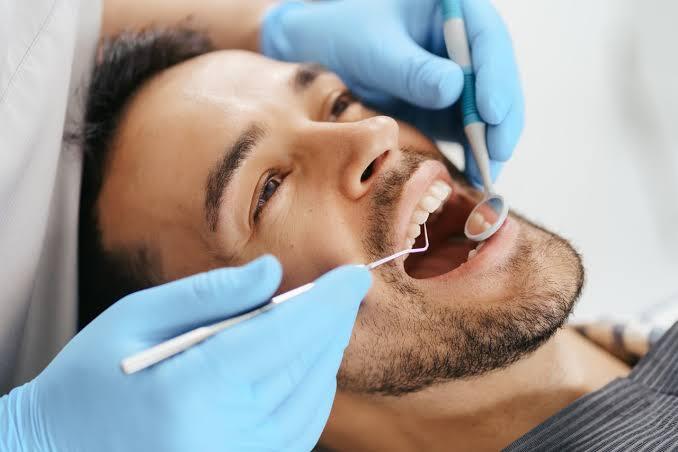
A healthy smile is about more than having bright, attractive teeth. Strong teeth and healthy gums are essential for speaking comfortably, chewing properly, and maintaining overall oral health. However, tooth decay, fractures, gum problems, and everyday wear can gradually affect dental function. This is where Restorative Dentistry in Dubai plays an important role by repairing damaged teeth, replacing missing ones, and protecting natural tooth structures. Beyond improving appearance, restorative dental procedures help prevent minor dental concerns from developing into more serious problems, supporting a healthier and more confident smile for years to come.
What Is Restorative Dentistry?
Restorative dentistry focuses on diagnosing, repairing, and replacing damaged or missing teeth. Its primary goal is to restore the natural function, strength, and appearance of teeth while maintaining good oral health.
Dental problems can develop for several reasons, including poor oral hygiene, injuries, untreated cavities, aging, and certain lifestyle habits. Restorative treatments address these concerns using different dental techniques and materials.
Common Restorative Dental Treatments
Depending on an individual's dental condition, several treatments may be recommended, including:
-
Dental Fillings: Repair cavities and prevent further tooth decay.
-
Dental Crowns: Cover weakened or damaged teeth to restore their strength and shape.
-
Dental Bridges: Replace one or more missing teeth using supporting teeth.
-
Dental Implants: Provide a stable replacement for missing tooth roots and artificial teeth.
-
Root Canal Treatment: Removes infected tissue from inside a tooth while preserving its outer structure.
-
Dentures: Replace multiple missing teeth and help restore chewing and speaking abilities.
Each treatment serves a specific purpose, and the right option depends on the patient's dental health and individual needs.
Why Is Restorative Dentistry Important for Long-Term Oral Health?
Restorative dentistry is important because it addresses existing dental damage while helping prevent additional complications. Leaving damaged or missing teeth untreated can affect surrounding teeth, gums, and overall dental function.
1. Prevents Further Tooth Damage
A small cavity may not seem like a serious concern initially, but untreated decay can gradually spread deeper into the tooth. Eventually, it may reach the inner pulp, causing pain, infection, and potentially tooth loss.
Restorative treatments such as fillings and crowns repair affected areas and provide additional protection. Addressing dental problems early helps preserve more of the natural tooth structure and reduces the likelihood of extensive treatment later.
2. Restores Proper Chewing and Speaking
Healthy teeth play an essential role in everyday activities. Missing, broken, or severely damaged teeth can make chewing uncomfortable and sometimes affect speech.
Restorative procedures help bring back proper tooth alignment and function. Dental implants, bridges, and dentures can replace missing teeth, allowing individuals to enjoy their meals and communicate more comfortably.
3. Protects Surrounding Natural Teeth
When a tooth is missing, neighboring teeth may gradually shift into the empty space. This movement can create alignment problems, uneven pressure, and areas where food particles become trapped.
Replacing missing teeth helps maintain the natural spacing of the dental arch. It also supports a more balanced bite and makes everyday cleaning easier.
How Does Restorative Dentistry Support Overall Dental Health?
The benefits of restorative dentistry extend beyond repairing individual teeth. It also contributes to healthier gums, improved bite function, and better oral hygiene.
Maintains Proper Bite Alignment
Damaged or missing teeth can change how the upper and lower teeth meet. An uneven bite may place excessive pressure on certain teeth, increasing the risk of fractures, discomfort, and excessive wear.
Restorative treatments help rebuild damaged surfaces and replace missing teeth, supporting a more balanced bite.
Makes Oral Hygiene Easier
Gaps, damaged tooth surfaces, and poorly positioned teeth can create spaces where plaque and food debris accumulate. These areas may be difficult to clean effectively.
Restoring damaged teeth and replacing missing ones can improve dental structure, making brushing and flossing more manageable. Good daily hygiene remains essential for protecting the results.
What Are the Long-Term Benefits of Restorative Dentistry?
Choosing appropriate restorative treatment can provide several lasting advantages when combined with regular dental care.
-
Preserves Natural Teeth: Early treatment can prevent unnecessary tooth loss.
-
Improves Comfort: Repairing damaged teeth can reduce sensitivity and discomfort.
-
Supports Jaw Function: Replacing missing teeth helps maintain normal chewing patterns.
-
Enhances Appearance: Restorations can improve tooth shape, color, and overall smile balance.
-
Promotes Confidence: A functional and attractive smile can make social interactions more comfortable.
-
Reduces Future Complications: Treating dental problems promptly can help prevent more extensive damage.
The durability of dental restorations depends on the treatment selected, oral hygiene habits, and individual dental conditions.
How Can You Maintain Your Restorative Dental Results?
Restorative procedures are an important investment in oral health, but maintaining their results requires consistent care. Even artificial restorations need proper cleaning and professional monitoring.
Follow a Consistent Oral Hygiene Routine
Brush your teeth twice daily using fluoride toothpaste and clean between your teeth with dental floss. Pay attention to the areas around crowns, bridges, and other restorations because plaque can accumulate around their edges.
Avoid Habits That Damage Teeth
Chewing ice, biting hard objects, and using teeth to open packaging can damage natural teeth and dental restorations. Limiting sugary foods and beverages can also help reduce the risk of new cavities.
Schedule Regular Dental Checkups
Routine dental examinations allow potential problems to be identified before they become more serious. Your dentist can assess existing restorations, check gum health, and recommend professional cleaning when necessary.
When Should You Consider Restorative Dentistry?
You may benefit from restorative dental care if you experience persistent tooth sensitivity, visible cavities, cracked teeth, missing teeth, difficulty chewing, or discomfort when biting.
Even without noticeable symptoms, regular dental examinations are valuable because some dental problems develop without causing immediate pain. A professional assessment helps determine whether treatment is necessary and which procedure may provide the best outcome.
Conclusion
Restorative dentistry is essential for maintaining long-term oral health because it repairs damaged teeth, replaces missing ones, restores normal dental function, and helps prevent future complications. From simple fillings to dental implants and crowns, these treatments can protect natural teeth while improving the appearance and comfort of your smile. Combined with good oral hygiene, healthy lifestyle choices, and regular dental visits, restorative care can support lasting dental health. Taking action when problems first appear is one of the most effective ways to maintain a strong, functional, and confident smile throughout life.