Can Professional Cleaning Remove Stubborn Dental Calculus?
Posted by Dynamic Sana
Filed in Card Games 2 views
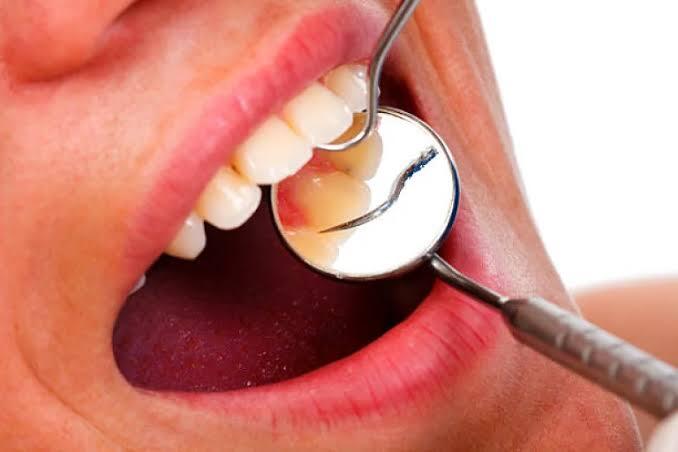
Maintaining healthy teeth requires more than brushing twice a day. One common oral health problem that many people overlook is the gradual buildup of hardened plaque, known as dental calculus or tartar. It develops when plaque remains on tooth surfaces and combines with minerals in saliva. Understanding how to prevent this buildup is essential for protecting your smile. With proper oral hygiene and professional guidance, managing Dental Tooth Calculus in Dubai becomes easier, helping individuals maintain cleaner teeth, healthier gums, and better long-term oral health.
What Is Dental Tooth Calculus?
Dental calculus is hardened dental plaque that attaches firmly to the surfaces of teeth, particularly near the gumline and between teeth. Unlike soft plaque, which can be removed through regular brushing and flossing, calculus cannot usually be eliminated with a toothbrush.
When plaque is not cleaned away effectively, minerals in saliva gradually harden it. This creates a rough surface that attracts even more plaque, increasing the likelihood of gum irritation and other dental problems.
Common Signs of Calculus Buildup
Recognizing early signs can help you seek appropriate dental care. Some common indicators include:
-
Yellow or brown deposits around the gumline.
-
Rough or uneven tooth surfaces.
-
Persistent bad breath.
-
Red, swollen, or bleeding gums.
-
Increased plaque accumulation between teeth.
7 Effective Ways to Prevent Dental Tooth Calculus
Preventing calculus begins with consistent daily habits. Although professional cleaning may be necessary to remove existing deposits, several simple practices can reduce the chances of new buildup.
1. Brush Your Teeth Twice Daily
Brushing is one of the most important steps in preventing plaque accumulation. Brush your teeth at least twice daily using a soft-bristled toothbrush and fluoride toothpaste.
Spend approximately two minutes cleaning all tooth surfaces, including the front, back, and chewing areas. Pay particular attention to the gumline, where plaque frequently accumulates.
An electric toothbrush can also help improve cleaning effectiveness, especially for individuals who struggle to maintain proper brushing techniques.
2. Floss Every Day
A toothbrush cannot effectively reach every area between the teeth. These narrow spaces can collect food particles and plaque, eventually contributing to calculus formation.
Daily flossing helps remove plaque from areas that brushing may miss. Use gentle movements to clean between each tooth without damaging the gums.
If traditional floss feels difficult to use, interdental brushes or water flossers may provide convenient alternatives.
3. Use an Antibacterial Mouthwash
Adding an appropriate mouthwash to your oral hygiene routine can help reduce bacteria and support healthier gums.
Some mouthwashes contain ingredients designed to control plaque formation. However, mouthwash should complement brushing and flossing rather than replace them.
Choose a product recommended by your dentist according to your oral health needs.
4. Reduce Sugary and Starchy Foods
Your eating habits can significantly influence plaque formation. Bacteria in the mouth use sugars and certain carbohydrates to produce acids that contribute to dental problems.
Try to limit frequent consumption of:
-
Sugary drinks and packaged juices.
-
Candies and chocolates.
-
Sticky sweets.
-
Refined carbohydrates.
-
Sweetened snacks.
Instead, include fresh vegetables, fruits, and balanced meals in your diet to support overall oral health.
5. Drink Plenty of Water
Water helps wash away food particles and supports saliva production. Saliva plays an important role in maintaining the natural balance of the mouth and protecting tooth surfaces.
Drinking water throughout the day, particularly after meals, can help reduce leftover food debris.
It is also beneficial to choose plain water instead of sugary or acidic beverages.
6. Avoid Smoking and Tobacco Products
Smoking and tobacco use can increase the risk of several oral health problems, including gum disease and tooth discoloration. Tobacco users may also experience more noticeable deposits on their teeth.
Avoiding tobacco products supports healthier gums, fresher breath, and better overall oral hygiene.
7. Schedule Regular Dental Checkups
Even with excellent home care, some plaque may remain in difficult-to-reach areas. Regular dental examinations allow professionals to identify early signs of calculus and gum inflammation.
Your dentist can recommend a suitable cleaning schedule based on your oral health, plaque accumulation, and individual risk factors.
Why Is Professional Dental Cleaning Important?
Once plaque hardens into calculus, brushing and flossing alone cannot remove it effectively. Professional dental cleaning, commonly called scaling, helps eliminate hardened deposits from tooth surfaces and around the gumline.
Benefits of Professional Scaling
Professional cleaning offers several important benefits:
-
Removes stubborn calculus deposits.
-
Helps reduce plaque accumulation.
-
Supports healthier gums.
-
Improves overall oral cleanliness.
-
Helps prevent gum disease progression.
-
Makes it easier to maintain daily oral hygiene.
Regular scaling is particularly important for people who experience frequent tartar buildup or have difficulty cleaning certain areas of their mouths.
Can Dental Calculus Cause Gum Disease?
Yes. Calculus creates an uneven surface where additional plaque can accumulate. This may irritate the surrounding gum tissue and contribute to gingivitis, an early stage of gum disease.
Common symptoms include gum redness, swelling, and bleeding during brushing.
If left untreated, gum disease can progress and affect the supporting structures of the teeth. Advanced cases may lead to gum recession, bone loss, and even tooth loss.
Early professional assessment can help prevent these complications.
Conclusion
Preventing dental tooth calculus requires consistency, proper oral hygiene, and regular professional care. Brushing twice daily, flossing, maintaining a balanced diet, drinking enough water, and avoiding tobacco can significantly reduce plaque accumulation. However, existing hardened calculus requires professional removal.
By adopting healthy dental habits and attending routine checkups, you can protect your gums, maintain cleaner teeth, and enjoy a healthier smile for years to come.