What Makes Saudi Arabia's Restaurant Scene Unique?
Posted by Carnivore Restaurant
Filed in Cooking 2 views
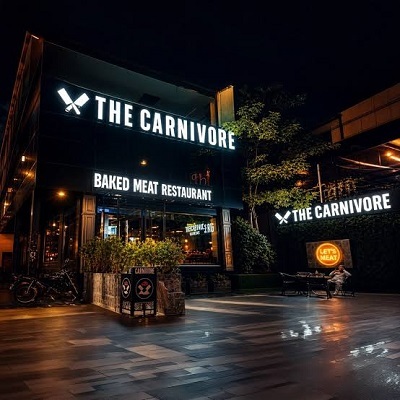
Saudi Arabia has developed a fascinating food culture that brings together traditional Arabian hospitality, regional culinary heritage, and international dining influences. Food is more than a daily necessity in the Kingdom; it is an important part of family gatherings, celebrations, social connections, and cultural traditions. From authentic Saudi meals served with traditional flavours to contemporary restaurants offering modern international cuisine, the country's dining landscape provides something for almost every preference.
The growing popularity of a Restaurant in Saudi Arabia reflects the country's evolving hospitality industry and increasing interest in diverse culinary experiences. Residents and international visitors can explore traditional dishes, premium grilled meats, fresh ingredients, and creative food presentations in different dining environments. What makes the experience particularly interesting is the way Saudi restaurants combine cultural values with modern expectations while maintaining a strong connection to hospitality, food quality, and customer satisfaction.
1. A Rich Culinary Heritage That Defines Saudi Dining
One of the most distinctive features of Saudi Arabia's restaurant scene is its deep connection to traditional food culture. Saudi cuisine has developed through regional traditions, local ingredients, historical trade routes, and generations of culinary knowledge.
Traditional meals often feature rice, meat, wheat, vegetables, and aromatic spices. These ingredients are combined using cooking methods that create rich flavours and distinctive textures.
Popular Traditional Saudi Dishes
-
Kabsa: One of the Kingdom's best-known dishes, Kabsa combines seasoned rice with chicken, lamb, or other meat, complemented by aromatic spices.
-
Mandi: A traditional rice and meat dish recognised for its distinctive preparation and tender texture.
-
Jareesh: A comforting dish prepared using crushed wheat, often combined with meat or other ingredients.
-
Saleeg: A creamy rice-based meal commonly served with chicken.
-
Mutabbaq: A savoury stuffed pastry enjoyed as a snack or light meal.
-
Harees: A traditional preparation made with wheat and meat, slowly cooked until it develops a smooth consistency.
These dishes demonstrate how Saudi food culture values flavour, preparation techniques, and the enjoyment of shared meals.
Regional differences also contribute to the country's culinary diversity. Food traditions in the Hijaz, Najd, Eastern Province, and southern regions reflect different ingredients, seasoning preferences, and cooking styles.
This regional variety allows diners to discover new tastes while experiencing the cultural identity behind each dish.
2. Traditional Arabian Hospitality Meets Modern Dining Experiences
Hospitality is one of the strongest elements of Saudi Arabia's restaurant culture. Welcoming guests, sharing food, and making visitors feel comfortable are important traditions that continue to influence modern dining experiences.
Traditional hospitality can be seen in the way restaurants welcome customers, arrange family seating, serve meals, and create inviting environments.
At the same time, contemporary restaurant concepts have introduced new approaches to service and presentation.
What Makes the Dining Experience Special?
-
Warm customer service: Friendly hospitality helps guests feel welcome and comfortable.
-
Family-oriented environments: Many dining destinations provide seating arrangements suitable for families and larger groups.
-
Thoughtful food presentation: Modern restaurants pay attention to plating, presentation, and the overall dining atmosphere.
-
Comfortable interiors: Contemporary furniture, attractive lighting, and carefully designed spaces contribute to guest satisfaction.
-
Flexible dining concepts: Restaurants cater to different occasions, including family dinners, business meetings, celebrations, and casual outings.
The combination of traditional hospitality and modern restaurant management creates a distinctive dining environment. Guests can experience cultural warmth while enjoying contemporary food concepts and professional service.
3. A Diverse Range of International Cuisines and Premium Food Choices
Saudi Arabia's restaurant scene is not limited to traditional Arabian dishes. The Kingdom has become an increasingly diverse culinary destination where international flavours and modern cooking styles are widely appreciated.
Restaurants offer a variety of cuisines that allow residents and visitors to explore different food traditions without limiting themselves to one particular style.
International Food Influences
Some popular culinary influences include:
-
Middle Eastern cuisine: Grilled meats, hummus, fresh salads, rice dishes, and traditional appetisers.
-
Turkish cuisine: Kebabs, grilled dishes, savoury pastries, and distinctive desserts.
-
Asian cuisine: Rice-based meals, noodles, seafood, and a variety of regional cooking styles.
-
Indian cuisine: Aromatic curries, grilled specialities, rice dishes, and traditional breads.
-
Western cuisine: Burgers, steaks, sandwiches, pasta, and contemporary restaurant favourites.
Premium grilled meat experiences have also become an important part of the modern dining landscape. Guests who enjoy protein-rich meals can explore different steak cuts, grilled beef, lamb, chicken, and carefully prepared meat platters.
These options demonstrate the flexibility of Saudi Arabia's food industry. Restaurants can introduce international flavours while adapting their menus to local preferences and halal dietary requirements.
The result is a culinary environment that appeals to different age groups, cultural backgrounds, and food preferences.
4. Food Quality, Health, and the Growing Interest in Balanced Dining
Another important feature of Saudi Arabia's restaurant scene is the increasing attention given to food quality and nutritional awareness. Many diners now consider more than taste when choosing where and what to eat. Ingredients, preparation methods, portion sizes, and dietary requirements also influence restaurant decisions.
Although restaurant meals can be enjoyable, maintaining balanced eating habits remains important for overall well-being.
Choosing Nutritious Restaurant Meals
A balanced restaurant meal can include protein, vegetables, fibre-rich foods, and appropriate portions of carbohydrates.
Some helpful considerations include:
-
Select suitable protein sources: Grilled chicken, fish, lean beef, and other protein-rich foods can contribute to a balanced diet.
-
Include fresh vegetables: Salads and vegetable-based side dishes provide fibre, vitamins, and minerals.
-
Consider cooking techniques: Grilling, baking, steaming, and roasting may require less added oil than deep frying.
-
Manage portion sizes: Appropriate servings can help diners avoid excessive calorie consumption.
-
Be mindful of sauces: Rich dressings and creamy sauces may add extra calories, sodium, and saturated fat.
-
Choose water regularly: Drinking water alongside meals can support hydration.
The Importance of Dietary Awareness
People with specific health or dietary requirements may need to review restaurant menus carefully. Individuals managing diabetes, high blood pressure, food allergies, or digestive sensitivities should consider ingredients and preparation methods before ordering.
For example, someone monitoring sodium intake may prefer meals with lighter seasoning and sauces served separately. A person with a food allergy should communicate the requirement clearly to restaurant staff and ask about possible cross-contact during preparation.
Halal food practices are also an important part of Saudi Arabia's dining culture. Restaurants serving halal meals follow relevant ingredient and preparation requirements, helping guests make choices that align with their dietary and religious preferences.
Importantly, halal food is not automatically low in calories or fat. Nutritional quality depends on the complete meal, its preparation, and portion size.
5. Modern Technology, Restaurant Design, and Changing Customer Expectations
Saudi Arabia's restaurant industry continues to adapt to changing customer expectations. Modern diners often look for convenience, attractive surroundings, reliable service, and easy access to restaurant information.
Technology has become an important part of this transformation.
Digital Services and Convenience
Online menus, digital reservations, ordering platforms, and food delivery services have made restaurant experiences more accessible. Customers can explore menu options, check restaurant details, and make dining arrangements before visiting.
These services are particularly useful for families, busy professionals, and visitors who want to plan their dining experiences efficiently.
Contemporary Restaurant Interiors
Restaurant design has also become an important part of the overall customer experience.
Modern dining spaces may feature:
-
Elegant lighting and comfortable seating.
-
Contemporary architectural details.
-
Open kitchens and visible food preparation areas.
-
Private or family-friendly seating arrangements.
-
Attractive dining spaces suitable for social gatherings.
A restaurant's atmosphere can influence how guests perceive their visit. Cleanliness, comfortable seating, appropriate lighting, and organised dining areas all contribute to a positive experience.
Changing Customer Expectations
Today's diners increasingly value transparency and consistency. They may want to understand ingredient sourcing, food preparation methods, portion sizes, and available dietary options.
Restaurants that communicate clearly and provide attentive customer service can create stronger relationships with their guests.
6. Why Saudi Arabia's Restaurant Scene Appeals to Families, Residents, and Tourists
The diversity of Saudi Arabia's restaurant industry makes it attractive to different types of diners. Families, business professionals, local residents, and international visitors can all find dining experiences suited to their needs.
A Destination for Family Dining
Family gatherings are an important part of Saudi social life. Restaurants that provide comfortable seating, varied menus, and welcoming service can create suitable environments for shared meals.
Traditional dishes and larger food platters also support the culture of enjoying food together.
An Attractive Choice for International Visitors
Tourists can experience Saudi Arabia's culinary heritage through traditional dishes while exploring international food options.
Trying regional specialities provides insight into local traditions, ingredients, and hospitality. It also allows visitors to experience the cultural significance of food beyond the restaurant menu.
Suitable Options for Business Dining
Modern restaurants also provide environments for professional meetings, informal discussions, and business gatherings.
A comfortable atmosphere, reliable service, and varied food selections can make restaurant dining a practical option for professional occasions.
Experiences for Different Food Preferences
Some diners prefer traditional rice dishes, while others enjoy premium steaks, grilled meats, vegetarian meals, or international cuisine.
The variety available across the Kingdom allows people to choose restaurants according to their individual tastes, dietary requirements, and preferred dining atmosphere.
Frequently Asked Questions (FAQs)
1. What makes Saudi Arabia's restaurant scene different from other countries?
Saudi Arabia's restaurant scene combines traditional Arabian hospitality, regional culinary heritage, halal dining practices, and international food influences. This combination creates diverse dining experiences where guests can enjoy authentic local dishes alongside modern global cuisines.
2. What are the most popular traditional foods in Saudi Arabia?
Some well-known traditional dishes include Kabsa, Mandi, Jareesh, Saleeg, Harees, and Mutabbaq. These meals often feature rice, meat, wheat, aromatic spices, and other locally familiar ingredients.
3. Are international cuisines available in Saudi Arabian restaurants?
Yes. Saudi Arabia offers a wide selection of international cuisines, including Middle Eastern, Turkish, Indian, Asian, and Western-inspired dishes. Many restaurants combine international cooking styles with local food preferences and halal requirements.
4. How can diners make healthier food choices at restaurants in Saudi Arabia?
Diners can choose grilled or baked proteins, include vegetables, monitor portion sizes, and limit excessive sauces and fried foods. People with specific medical or dietary requirements should also check ingredients and preparation methods before ordering.
5. Is halal dining an important part of Saudi Arabia's restaurant culture?
Yes. Halal dining is a fundamental part of the Kingdom's food culture. Restaurants pay attention to permissible ingredients, appropriate meat sourcing, and preparation practices that follow relevant Islamic dietary requirements.
6. What should visitors consider when choosing a restaurant in Saudi Arabia?
Visitors should consider menu variety, food quality, cleanliness, service, location, atmosphere, and dietary requirements. Exploring traditional dishes can also help visitors experience the country's culinary heritage and hospitality.
Conclusion
Saudi Arabia's restaurant scene is unique because it brings together cultural heritage, traditional hospitality, international culinary influences, and modern dining expectations. From authentic Arabian dishes and premium grilled meats to contemporary international cuisine, the Kingdom offers a wide range of experiences for different tastes and occasions.
The growing focus on food quality, balanced nutrition, halal practices, restaurant design, and digital convenience further contributes to the industry's development. These elements make dining more than simply an opportunity to enjoy a meal; they create experiences that connect people with food, culture, and hospitality.
Whether residents are looking for a comfortable family restaurant or international visitors want to discover traditional Saudi flavours, the country's diverse food culture provides plenty of opportunities to explore. As the hospitality industry continues to evolve, Saudi Arabia is strengthening its position as an exciting destination for memorable and diverse culinary experiences.