Using the PSC Tool Holder: What It Is, Why It Matters & FAQs for CNC Machinin
Posted by Xi Ray
Filed in Card Games 16 views
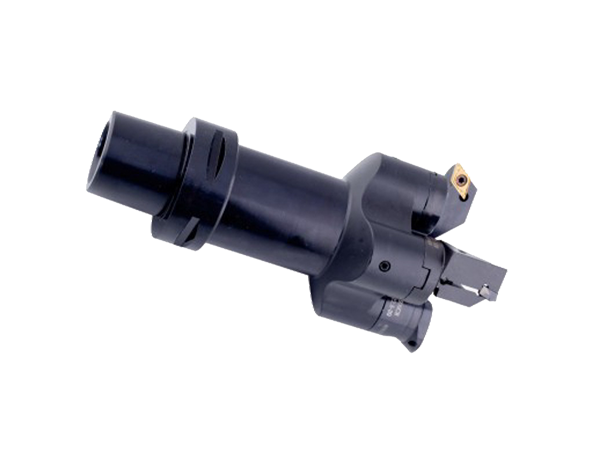
In CNC machining, the tool holding system is a foundation of precision, rigidity, and productivity. If you’ve been searching topics like ISO 26623 tooling standard, PSC vs Capto, tool holder repeatability, quick‑change tooling systems, or rigid modular holders on Google, there’s a reason: PSC tool holders are emerging as a widely discussed and adopted solution for modern machining challenges.
This blog post breaks down what PSC tooling is, why it’s trending, how it performs in real‑world machining, and answers frequently asked questions machining professionals are searching for — all while introducing the PSC Tool Holder Series from XiRay Tools.
🔧 What Is a PSC Tool Holder?
A PSC (Polygonal Shank Coupling) tool holder is a tooling interface standardized under ISO 26623 that uses a polygonal tapered shank combined with flange face contact to secure the holder in the machine spindle.
Unlike traditional tool holders that rely only on taper contact, PSC holders engage both the polygonal surface and the face surface — creating a much stiffer, more stable mechanical connection. The result is:
-
Higher rigidity and reduced vibration
-
Stronger torque transmission
-
Micron‑level repeatability
-
Faster modular tool changeovers
This enhanced rigidity and repeatability make PSC tooling especially valuable in precision machining, multi‑axis operations, and high‑mix/low‑volume production.
📌 PSC Tool Holder Series — XiRay Tools
If you’re exploring PSC tooling for your shop, the PSC Tool Holder Series from XiRay Tools delivers a full lineup of holders built for high‑performance CNC machining.
👉 Explore the PSC Tool Holder Series: https://www.xiray-tools.com/psc-tool-holder-series/
Key Features
-
Polygonal taper interface for improved torque and rigidity
-
Dual‑contact design (taper + face) for enhanced stability
-
High repeatability for consistent tool positioning
-
Modular quick‑change structure to reduce machine downtime
-
Internal coolant capability for better chip evacuation and tool life
Types of Holders in the Series
-
Turning tool holders
-
Milling tool holders
-
Boring holders
-
Drilling holders
-
Modular adapters
These options help machinists adapt PSC tooling to a variety of operations — from aggressive roughing to precision finishing.
📈 Why PSC Tool Holders Are Trending on Google
Here’s a quick look at the Google search trends and CNC topics that connect to PSC tooling:
🧱 ISO 26623 Standardization
PSC holders are built to the ISO 26623 standard, which gives machine shops confidence in compatibility, quality, and repeatability across different machine models and brands.
🆚 PSC vs Capto Tooling Comparisons
Capto tooling has long been a polygonal tooling solution. Many machinists search “PSC vs Capto” to understand differences in rigidity, modularity, cost, and compatibility.
📏 Precision & Repeatability Needs
Search terms like “tool holder repeatability” and “reducing runout CNC” reflect the machining community’s interest in tooling interfaces that maintain dimensional accuracy and surface consistency — strengths of PSC tooling.
🔄 Modular, Quick‑Change Tooling Systems
In lean and flexible manufacturing environments, search interest around “quick change tooling,” “modular tool holders,” and “reducing setup time” continues to grow — aligning with PSC’s modular design.
⭐ Benefits of PSC Tool Holders
🛠 Superior Rigidity and Stability
Dual surface contact spreads cutting forces over more contact area, suppressing vibration and improving surface finish.
🎯 High Repeatability
PSC holders deliver consistent positioning after each tool change, enabling tools to be preset and swapped with confidence.
⏱ Faster Tool Changeovers
With modular components, operators can change tools more quickly compared to traditional fixed‑style holders — improving uptime.
💪 Strong Torque Transmission
Because of dual contact, PSC holders transmit torque more efficiently — even under heavy cutting loads.
🔄 Versatile Machining Support
PSC tooling works with both rotating tools (milling, drilling) and stationary tools (turning, boring), making it ideal for multitasking CNC centers.
🛠 Typical Applications of PSC Tool Holders
PSC tooling suits many machining environments:
-
Automotive Manufacturing — Engine and transmission part machining
-
Aerospace Production — Structural and precision components
-
Heavy Equipment & Energy — Housings, valves, turbine components
-
Mold & Die Making — Complex contours and fine finishes