How Can You Maintain Results After Home Teeth Whitening?
Posted by Dynamic Sana
Filed in Card Games 1 view
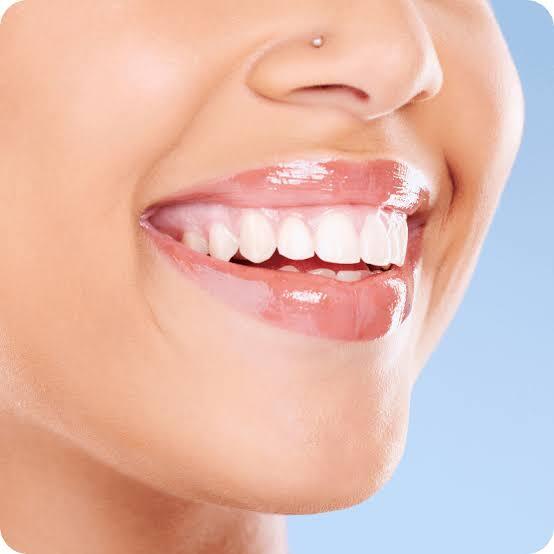
A brighter smile can make a noticeable difference in your appearance and confidence, but achieving whiter teeth requires patience and the right approach. Many people wonder how quickly whitening products can deliver visible results and whether the process takes days or weeks. With the growing popularity of Home Teeth Whitening in Dubai, individuals have access to several convenient options, including whitening strips, gels, trays, and specially formulated toothpaste. However, the time required to achieve noticeable improvements depends on the product, the severity of tooth stains, and individual dental conditions. Understanding the whitening timeline can help you choose a suitable method and develop realistic expectations.
How Quickly Can Home Teeth Whitening Show Results?
Home teeth whitening does not produce identical results for everyone. Some products begin showing improvements within a few days, while others require consistent use over several weeks. The active ingredients, particularly hydrogen peroxide and carbamide peroxide, help break down stain molecules responsible for discoloration.
The concentration of these ingredients and the recommended application time influence how quickly whitening occurs. Products designed for gradual whitening generally take longer but may provide noticeable improvements with regular use.
Whitening Strips
Whitening strips are popular because they are easy to apply and require minimal preparation. Depending on their formulation, some products may show visible changes within three to seven days.
For more noticeable results, users may need to follow the recommended treatment schedule for approximately two weeks. Applying strips for longer than instructed does not necessarily improve results and may increase tooth sensitivity.
Whitening Gels and Trays
Whitening gels used with dental trays gradually release active ingredients onto the tooth surfaces. Depending on the formulation, treatment may take one to three weeks.
Custom-fitted trays recommended by dental professionals can help distribute the whitening gel more evenly while reducing unnecessary contact with the gums.
What Factors Affect Teeth Whitening Time?
Several factors determine how quickly teeth respond to whitening treatments. Understanding these influences helps explain why one person may notice results sooner than another.
Type and Severity of Tooth Stains
Not all tooth discoloration responds equally to whitening products.
-
Surface stains: Coffee, tea, tobacco, and certain foods can cause external stains that may respond relatively quickly.
-
Deep stains: Discoloration within the tooth structure may require professional assessment and a different whitening approach.
-
Age-related discoloration: Teeth naturally become darker with age as enamel changes and underlying dentin becomes more visible.
Surface stains are generally easier to address than discoloration originating inside the teeth.
Whitening Product Strength
The concentration of bleaching ingredients plays an important role in treatment duration. Products containing higher concentrations may produce faster changes, but they also require careful application.
Using stronger products without professional guidance can increase sensitivity and irritate gum tissues. Following the manufacturer's instructions is essential for safe and effective whitening.
Natural Tooth Condition
Existing dental problems can influence whitening results. Tooth decay, enamel damage, exposed roots, and gum inflammation may increase discomfort during treatment.
A dental examination can help identify these concerns before starting a whitening routine.
How Long Do Different Home Whitening Methods Take?
Different whitening products have different application schedules and expected results.
Whitening Toothpaste
Whitening toothpaste primarily removes surface stains through polishing ingredients. With regular brushing, improvements may become noticeable after two to six weeks.
However, most whitening toothpastes do not significantly change the natural colour of teeth because they generally do not contain bleaching ingredients at concentrations used in whitening treatments.
Whitening Strips
Whitening strips typically require daily application over several days or weeks. Many products recommend treatment periods of 10 to 14 days, although instructions vary.
Professional Home Whitening Kits
Dentist-supervised home whitening kits may produce visible results within one to two weeks, depending on the formulation and treatment schedule.
Professional guidance also helps ensure that the selected product is appropriate for the individual's dental condition.
How Can You Make Whitening Results Last Longer?
Achieving a brighter smile is only part of the process. Maintaining the results requires consistent oral hygiene and healthy everyday habits.
Avoid Stain-Causing Foods and Drinks
Coffee, tea, red wine, and dark-coloured foods can gradually stain teeth. Limiting their consumption can help preserve whitening improvements.
When consuming staining beverages, drinking water afterward may help reduce the amount of pigment remaining on tooth surfaces.
Maintain Good Oral Hygiene
Brush twice daily using fluoride toothpaste and clean between your teeth with dental floss. Regular dental cleanings also help remove plaque and surface deposits that contribute to discoloration.
Avoid Overusing Whitening Products
Using whitening treatments more frequently than recommended will not necessarily produce better results. Excessive use can cause tooth sensitivity and gum irritation.
Allow your teeth to recover between treatments when advised by a dental professional.
When Should You Consider Professional Teeth Whitening?
Home treatments may be suitable for mild surface discoloration, but some stains require professional attention. If your teeth remain discoloured after following the recommended treatment schedule, a dentist can identify the underlying cause.
Professional whitening may be particularly helpful for individuals with stubborn stains or those seeking more controlled treatment. A dentist can also recommend suitable products based on enamel condition, existing restorations, and sensitivity concerns.
It is important to remember that whitening products do not change the colour of crowns, veneers, fillings, or other dental restorations. Professional advice can help establish realistic expectations before beginning treatment.
Conclusion
Home teeth whitening can take anywhere from a few days to several weeks to produce noticeable improvements. The exact timeline depends on the whitening method, product formulation, stain severity, and overall dental health. Whitening strips and dentist-supervised kits may deliver visible changes relatively quickly, while whitening toothpaste generally works more gradually on surface stains.
The key to achieving a brighter smile is choosing an appropriate treatment, following application instructions, and maintaining good oral hygiene. With realistic expectations and proper dental guidance, individuals can work towards a cleaner, brighter-looking smile while protecting their long-term oral health.