PSC Turning Holder: A Modern Toolholding Solution Transforming CNC Turning
Posted by Xi Ray
Filed in Card Games 170 views
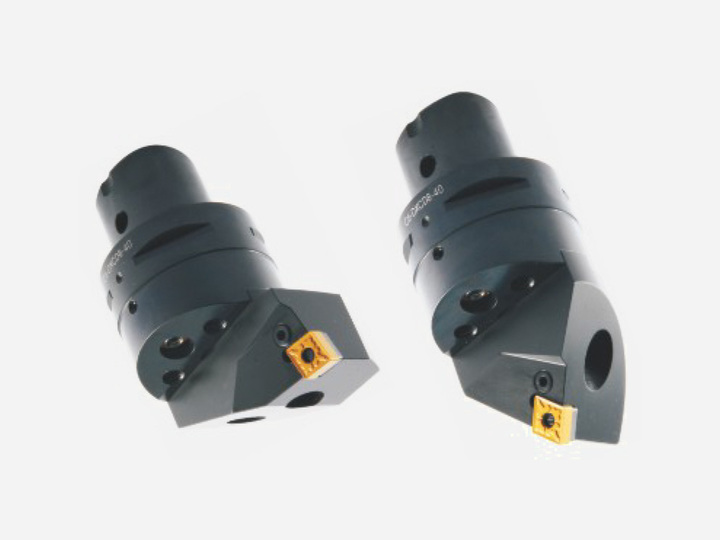
In today’s advanced CNC machining landscape, toolholding technology plays a decisive role in productivity, surface finish, and dimensional accuracy. As manufacturers seek ways to reduce vibration, speed up changeovers, and increase overall process stability, one toolholder system gaining traction in recent Google searches and machining discussions is the PSC Turning Holder.
Whether you’re machining high‑precision aerospace components, automotive shafts, or complex industrial parts, understanding the benefits, applications, and common questions around PSC Turning Holders can help you make smarter tooling decisions.
👉 Explore the Modular PSC Turning Holder here:
https://www.xiray-tools.com/modular-psc-turning-holder/
What Is a PSC Turning Holder?
A PSC Turning Holder leverages the Polygonal Shank Coupling (PSC) interface — a standardized tooling connection designed under ISO 26623. Unlike conventional toolholders that rely on a conical interface alone, PSC Turning Holders use a polygonal taper with flange face contact to join the holder to the spindle. This dual‑surface mechanical coupling delivers a rigid, self‑centering connection that improves machining performance.
The Modular PSC Turning Holder available from Xiray Tools adds a modular head system to this interface, enabling quick swaps between turning, profiling, threading, and grooving operations while maintaining precise positioning.
👉 View PSC Turning Holder options:
https://www.xiray-tools.com/modular-psc-turning-holder/
Why PSC Turning Holders Are Trending on Google
Several machining topics related to toolholding have been trending on Google, often tied to common challenges in CNC turning:
1. Vibration Reduction in Turning
Operators often search terms like “how to reduce vibration in turning” or “tool oscillation during CNC turning”. PSC holders deliver enhanced rigidity and damping, which helps minimize chatter and improve surface finish.
2. Fast Setup and Tool Change
Terms like “quick change tooling CNC” and “repeatable tool positioning” reflect the need for tooling systems that speed up changeovers without frequent re‑calibration. The self‑centering nature of PSC holders ensures tools return to the same position after every swap.
3. Modular Tooling and Inventory Reduction
Searches for “modular turning tool systems” and “reduce toolholder inventory” highlight a desire for flexible tooling. PSC holders with interchangeable heads reduce the number of dedicated holders needed.
4. Toolholding for Multitasking Machines
With the rise of mill‑turn and multi‑task CNC centers, many professionals search for “toolholder options for hybrid CNC machines”. PSC holders fit well in these environments due to their rigidity, repeatability, and compatibility across operations.
How PSC Turning Holders Improve CNC Turning Performance
Enhanced Rigidity and Torque Transfer
The polygonal interface engages the spindle with multiple contact faces, increasing rigidity and torque transmission — a significant advantage over conventionally tapered holders.
Repeatability and Accuracy
PSC holders provide consistent tool positioning after swaps thanks to their self‑centering design, crucial for parts requiring tight tolerances.
Reduced Vibration and Blow‑Out
Improved mechanical contact reduces vibration under load, which contributes to better surface finish and reduced tool wear.
Greater Flexibility with Modular Heads
With modular interfaces, a single PSC holder can support different turning heads, minimizing tooling inventory and changeover time.
Typical Applications of PSC Turning Holders
PSC Turning Holders are used in numerous machining environments where stability, precision, and flexibility matter:
-
Aerospace component machining
-
Automotive powertrain and transmission parts
-
Medical device production
-
Mold & die manufacturing
-
Precision shafts, bearings, and journals
Common operations include:
-
External turning
-
Facing
-
Grooving
-
Thread cutting
-
Profiling
PSC holders are particularly effective on multitasking CNC machines, where turning and milling operations are combined in a single setup.
Frequently Asked Questions (FAQs)
Here are the most common questions machinists and engineers search for — with practical answers:
1. What does PSC stand for in machining?
PSC stands for Polygonal Shank Coupling, a toolholder interface that uses polygonal geometry and flange face contact to create a rigid, repeatable connection with the machine spindle.
2. How is a PSC Turning Holder different from traditional toolholders?
Traditional holders rely mainly on a single conical taper. PSC holders engage the spindle with polygonal taper plus face contact, resulting in increased rigidity, better torque transmission, and improved repeatability after tool changes.
3. Will a PSC Turning Holder improve surface finish?
Yes. The improved rigidity and vibration resistance of PSC holders help deliver smoother surface finishes and more consistent part quality.
4. Are PSC Turning Holders compatible with automatic tool changers?
Yes. PSC tooling systems are designed to integrate with automatic tool changers on modern CNC machines, supporting efficient production workflows.
5. Do PSC Turning Holders extend tool life?
Often, yes. Because PSC holders reduce vibration and increase stability, cutting tools experience less wear, extending their usable life.
6. Can PSC Turning Holders be used on mill‑turn or multitasking machines?
Absolutely. PSC holders are well suited for mill‑turn and multitasking machining centers, where turning and milling tasks are combined in a single setup.
7. What sizes are available for PSC Turning Holders?
PSC holders come in standard sizes such as PSC32, PSC40, PSC50, PSC63, PSC80, and PSC100, allowing them to fit a wide range of spindle diameters and machining requirements.
8. Is setup difficult with PSC tooling?
No. PSC tooling is built for ease of setup. The self‑centering interface minimizes manual alignment, and modular heads reduce the need for frequent recalibration.
9. Do PSC holders require special maintenance?
Like all high‑performance tooling, PSC holders benefit from regular cleaning, inspection of contact surfaces, and proper clamping torque during installation to maintain repeatability and rigidity.